Pressure Cooker Cooking Times Chart for Ninja Foodi
High-pressure cook times for chicken, beef, pork, beans, rice, grains, vegetables and eggs, with release method, liquid and how to adjust for your pot.
By the Dalqi kitchen · Updated 2026-11-16 · 4 min read
Short answer
On high pressure, boneless chicken breasts take about 8–10 minutes, beef stew meat 30–35 minutes, a 3–4 lb chuck roast 60–80 minutes, white rice 2–4 minutes, and soaked black beans 6–8 minutes. Add the time it takes to build pressure (about 5–20 minutes) and the release time to plan your meal. Always check meat with a thermometer.
The table below covers the most common foods. Our full pressure cooker times chart lists more than 70 foods with release methods, liquid amounts and tips.
Quick chart: common foods on high pressure
| Food | Minutes | Release | Done |
|---|---|---|---|
| Chicken breasts, fresh | 8–10 | 10 min natural | 165°F |
| Chicken breasts, frozen (separated) | 12–15 | 10 min natural | 165°F |
| Chicken thighs, boneless | 8–10 | 10 min natural | 165°F |
| Whole chicken | 6 per lb | 15 min natural | 165°F |
| Beef stew meat | 30–35 | 15 min natural | Fork-tender |
| Chuck roast, 3–4 lb | 60–80 | Full natural | Fork-tender |
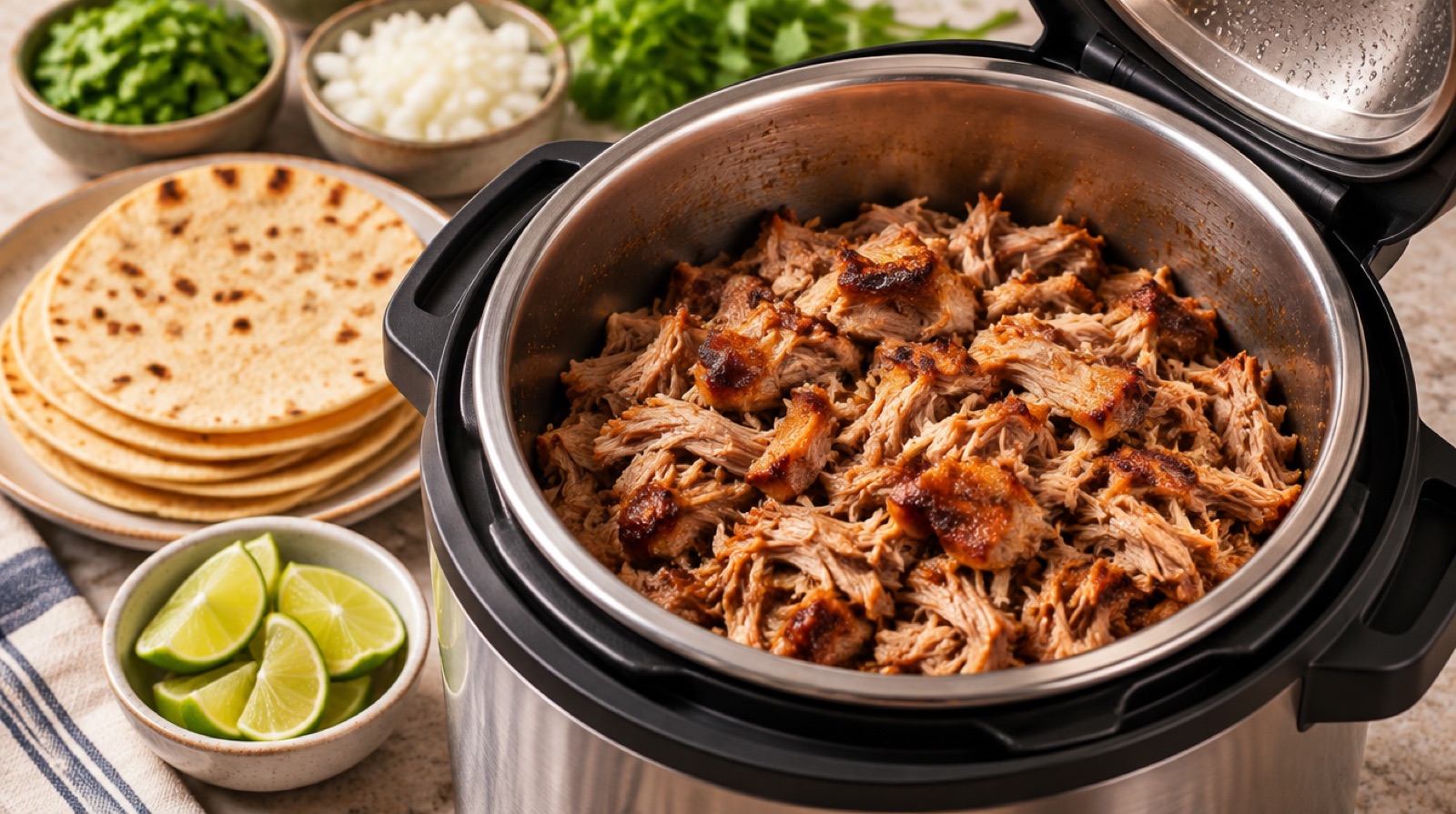
| Pork shoulder, 2-inch chunks | 45–60 | Full natural | Shreds easily |
| Pork chops, boneless | 6–8 | 10 min natural | 145°F |
| Black beans, soaked / unsoaked | 6–8 / 22–25 | Full natural | Creamy |
| Chickpeas, soaked / unsoaked | 12–15 / 35–45 | Full natural | Tender |
| White rice (1:1 water) | 2–4 | 10 min natural | Fluffy |
| Brown rice | 22–25 | 10 min natural | Tender |
| Steel-cut oats | 10–12 | 10–15 min natural | Creamy |
| Potatoes, 1-inch cubes | 4–6 | Quick | Fork-tender |
| Hard-boiled eggs | 5 | 5 min natural, ice bath | Firm yolk |
How to read pressure cooking times
The minutes in any pressure chart are the time at pressure. The countdown doesn't start until the pot has sealed and reached full pressure, which takes about 5–20 minutes depending on how full it is and how cold the ingredients are. Then comes the release, which can add 10–30 minutes more.
So a "10-minute" chicken recipe is really about 30 minutes from lid on to dinner. For a 60-minute pot roast, plan close to 1 hour 45 minutes in total. Our pot roast and beef chili recipes list total times that include these steps.
Cold ingredients, a very full pot and frozen meat all make the come-up time longer. Starting with warm broth, or using Sear/Sauté to heat the liquid while you brown the meat, shortens it noticeably.
Chicken, beef and pork
Chicken cooks fast under pressure and dries out if you overdo it. Breasts and boneless thighs need 8–10 minutes and a 10-minute natural release. For shredding, add a couple of minutes, like our meal-prep shredded chicken. Always check that the thickest piece reaches 165°F.
Tough cuts of beef and pork are where a pressure cooker really pays off. Chuck roast, brisket, short ribs and pork shoulder turn fork-tender in about an hour instead of a whole afternoon. Cutting a roast into 2-inch chunks reduces the time and gives you more browned surface. Our beef stew and BBQ pulled pork use this approach. If the meat isn't tender at the end, it needs more time, not less: seal it again and add 10 minutes.
Lean pork loin and tenderloin are the exception. They're best at 145°F with a short cook time and a natural release.
Beans, rice and grains
Dried beans go from hard to creamy without soaking in about 25–45 minutes, or 6–15 minutes if soaked overnight. Use plenty of water (cover the beans by about 2 inches), add a tablespoon of oil to reduce foaming, and never fill the pot more than halfway. Let the pressure come down naturally so the beans stay whole.
For rice, the ratio matters more than the time. Pressure cookers lose very little water, so white rice needs about a 1:1 ratio of water to rice, not the 2:1 used on the stovetop. Rinse it first. Our perfect white rice uses 2 minutes and a 10-minute natural release. Brown rice needs a little more water and 22–25 minutes.
Vegetables and eggs
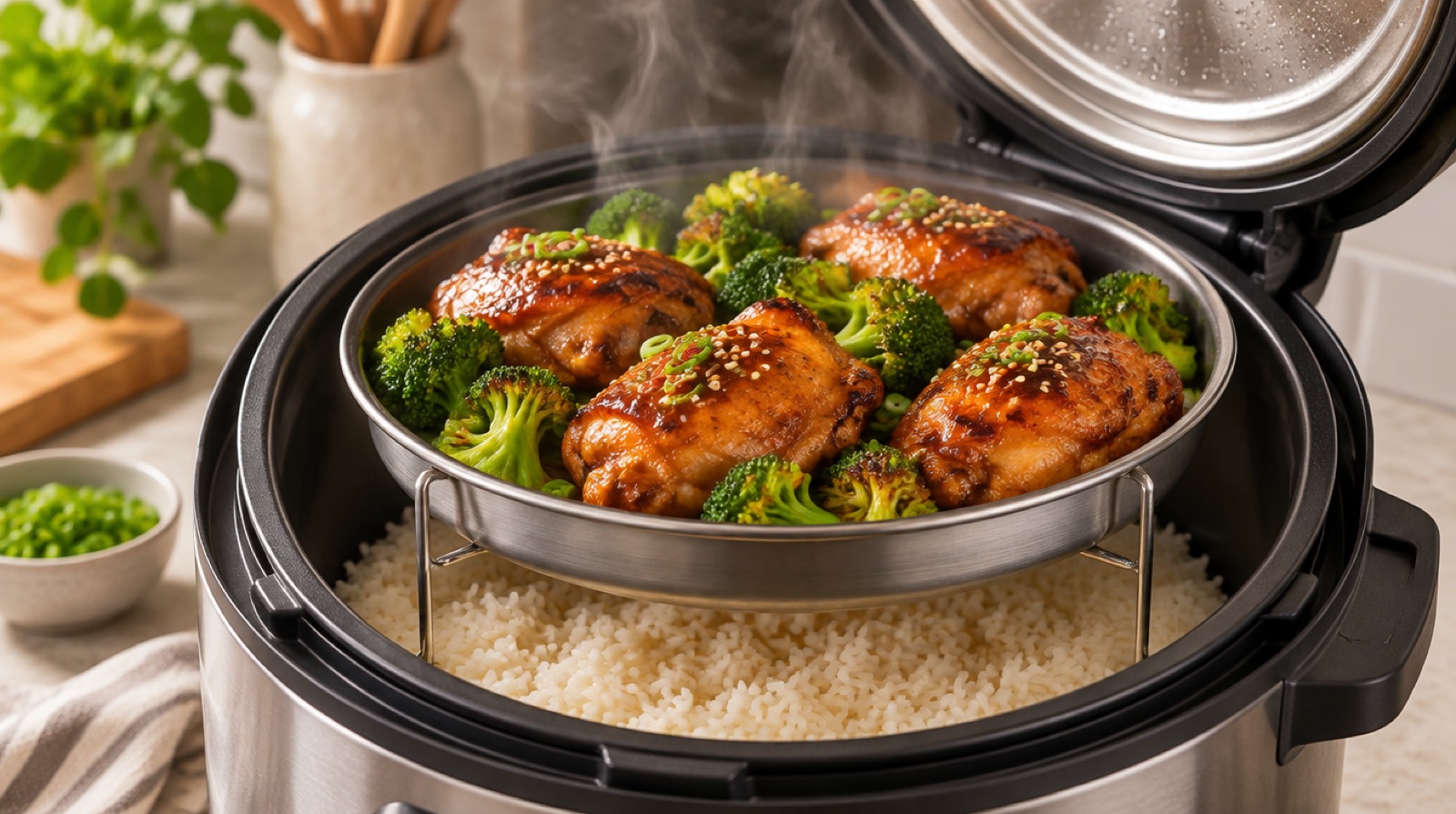
Most vegetables need only 0–5 minutes and an immediate quick release. "Zero minutes" is a real setting: the time it takes to come up to pressure is enough to steam broccoli. Cook vegetables on the rack or in a steamer basket over 1 cup of water. Denser foods like whole potatoes, beets and sweet potatoes take 12–25 minutes.
Eggs follow the 5-5-5 method: 5 minutes on high pressure, 5 minutes natural release, 5 minutes in ice water. Our easy-peel hard-boiled eggs show how. For jammy yolks, use 3 minutes and a quick release.
Liquid, fill lines and other rules
- Minimum liquid: the pot needs enough thin liquid to make steam, usually about 1 cup for most recipes. Larger pots may need more; check your manual.
- Thick sauces: tomato paste, cream soups and BBQ sauce can scorch and trigger a burn warning. Put them on top without stirring, or add them after cooking.
- Fill lines: never fill the pot past the max line, and keep beans, grains and foamy foods at half full or less.
- Frozen meat: separated frozen pieces take about 50% longer than fresh. A solid frozen block cooks unevenly.
- Dairy: milk, cream and cheese can curdle or scorch under pressure. Stir them in after cooking, on Sear/Sauté if needed.
- Altitude: above about 2,000 feet, a common guideline is to add about 5% to the cook time for every 1,000 feet.
Adjusting for size and your model
Pressure cooking time depends on the thickness of each piece, not the total weight. Two pounds of chicken breasts in a single layer cook in the same time as one pound. A single, thicker roast takes longer than the same weight cut into chunks. Times also vary a little between pot sizes and models. Larger pots take longer to come up to pressure, which adds some gentle cooking time.
These times are independent, conservative guidance, not official Ninja specifications. Use them as a starting point, check meat with a thermometer, and follow your manual for liquid minimums and fill lines.
FAQ
Does pressure cooking time include the time to build pressure?
No. Recipe times are time at full pressure. Add about 5–20 minutes to build pressure and the time for any natural release.
How long do chicken breasts take in a Ninja Foodi pressure cooker?
About 8–10 minutes on high pressure for fresh breasts, or 12–15 minutes for separated frozen breasts, plus a 10-minute natural release. They must reach 165°F.
How much liquid do I need in a pressure cooker?
Most recipes need at least 1 cup of thin liquid to build steam. Larger pots may need more, so check your model's manual.
Why is my pressure-cooked meat tough?
Tough cuts usually need more time, not less. Seal the pot again, cook another 10 minutes, and use a natural release.
Can I double a pressure cooker recipe?
You can usually double it as long as you stay under the max fill line. The cook time stays about the same, but the pot takes longer to come up to pressure.
Recipes to try
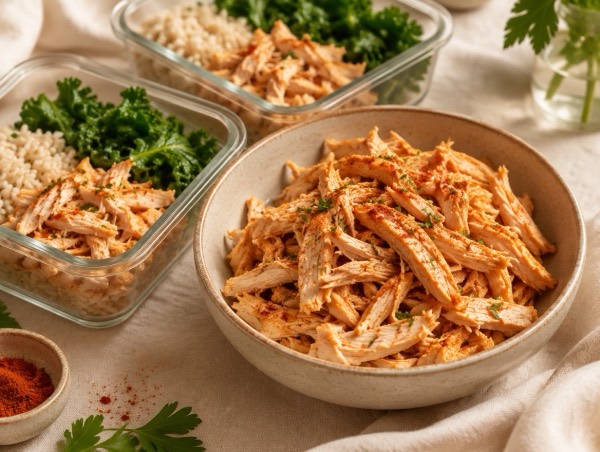 Foodi & Speedi
Pressure Cooker Shredded Chicken for Meal Prep (Ninja Foodi)
216 kcal · 39 g protein · 25 min
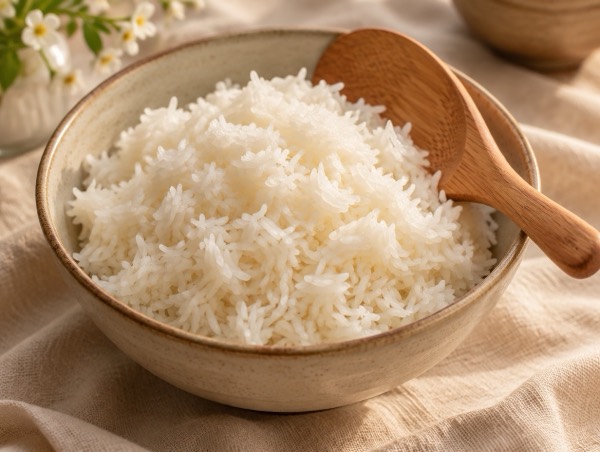 Foodi & Speedi
Perfect Pressure Cooker White Rice (Ninja Foodi)
239 kcal · 4 g protein · 20 min
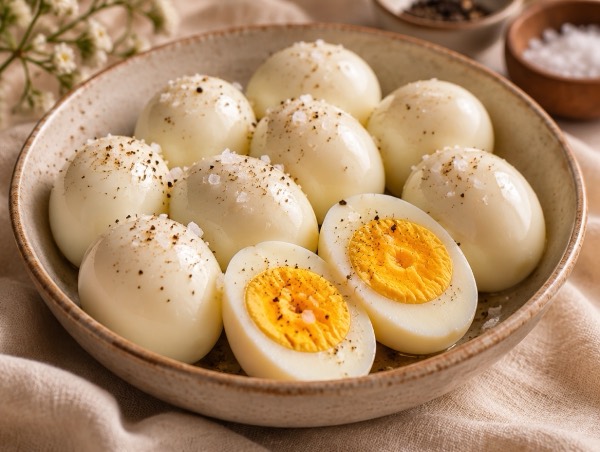 Foodi & Speedi
Easy-Peel Pressure Cooker Hard-Boiled Eggs (Ninja Foodi)
143 kcal · 13 g protein · 17 min
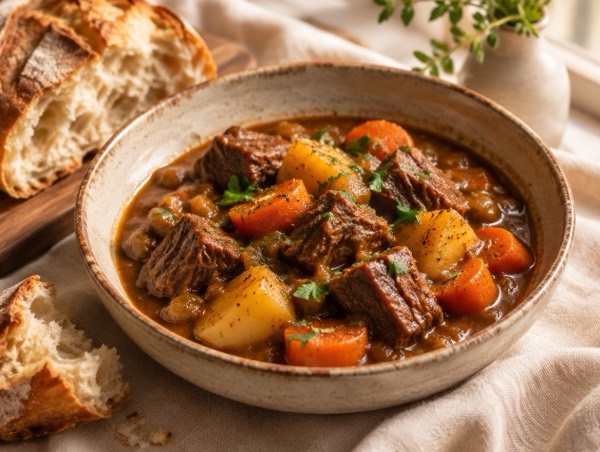 Foodi & Speedi
Pressure Cooker Beef Stew (Ninja Foodi)
465 kcal · 34 g protein · 80 min
 Foodi & Speedi
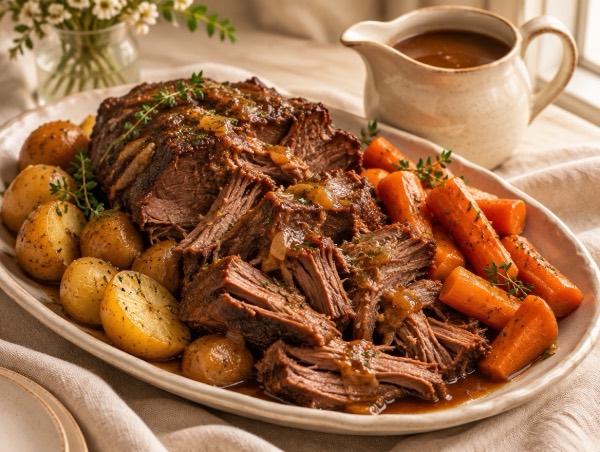
Pressure Cooker Pot Roast with Gravy (Ninja Foodi)
471 kcal · 37 g protein · 110 min
 Foodi & Speedi
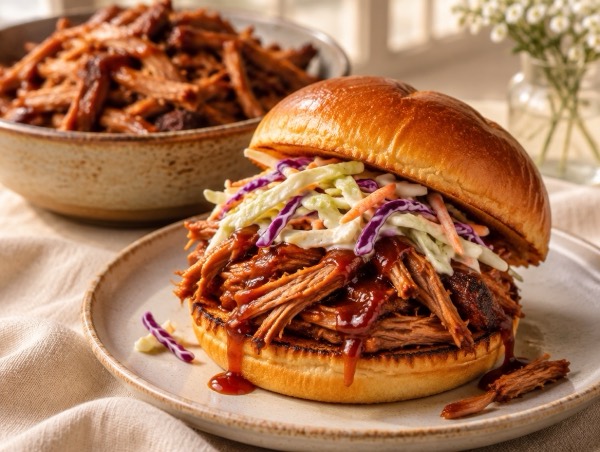
Pressure Cooker BBQ Pulled Pork (Ninja Foodi)
478 kcal · 32 g protein · 110 min
 Foodi & Speedi
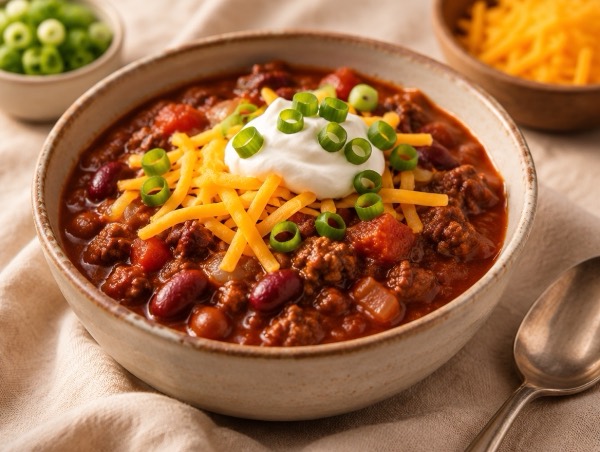
Pressure Cooker Beef Chili (Ninja Foodi)
364 kcal · 28 g protein · 40 min