Ninja Speedi Meals Explained: How the Layering Works
How Speedi Meals and Rapid Cook steam a grain on the bottom while the crisper tray roasts protein and vegetables on top, plus layering rules that work.
By the Dalqi kitchen · Updated 2026-11-16 · 4 min read
Short answer
Speedi Meals cook a whole dinner in two layers at once. A grain or pasta with water goes in the bottom of the pot, and protein and vegetables sit above it on the crisper tray in its raised position. The cycle steams first, cooking the bottom layer and gently cooking the top, then switches to convection heat to brown and crisp the top layer. Most meals finish in about 15–20 minutes.
It isn't pressure cooking. The pot isn't sealed under pressure; it uses steam and then hot air, which is why the top layer can get crisp.
Rapid Cooker vs Air Fry/Stovetop modes
The Ninja Speedi has two main ways of cooking, selected with a lid switch or setting depending on the model:
- Rapid Cooker mode uses steam. It includes Speedi Meals and steam-based programs, such as steam then crisp or steam then bake. You always need water in the pot for these.
- Air Fry/Stovetop mode uses dry heat or the bottom heater: air frying, roasting or baking, sear/sauté, slow cooking and similar functions, depending on the model.
Speedi Meals lives in Rapid Cooker mode. If the unit doesn't let you select it, check that the switch or lid is set to the Rapid Cooker position. Function names and lists vary by model, so your manual is the reference for yours.
How the layers work
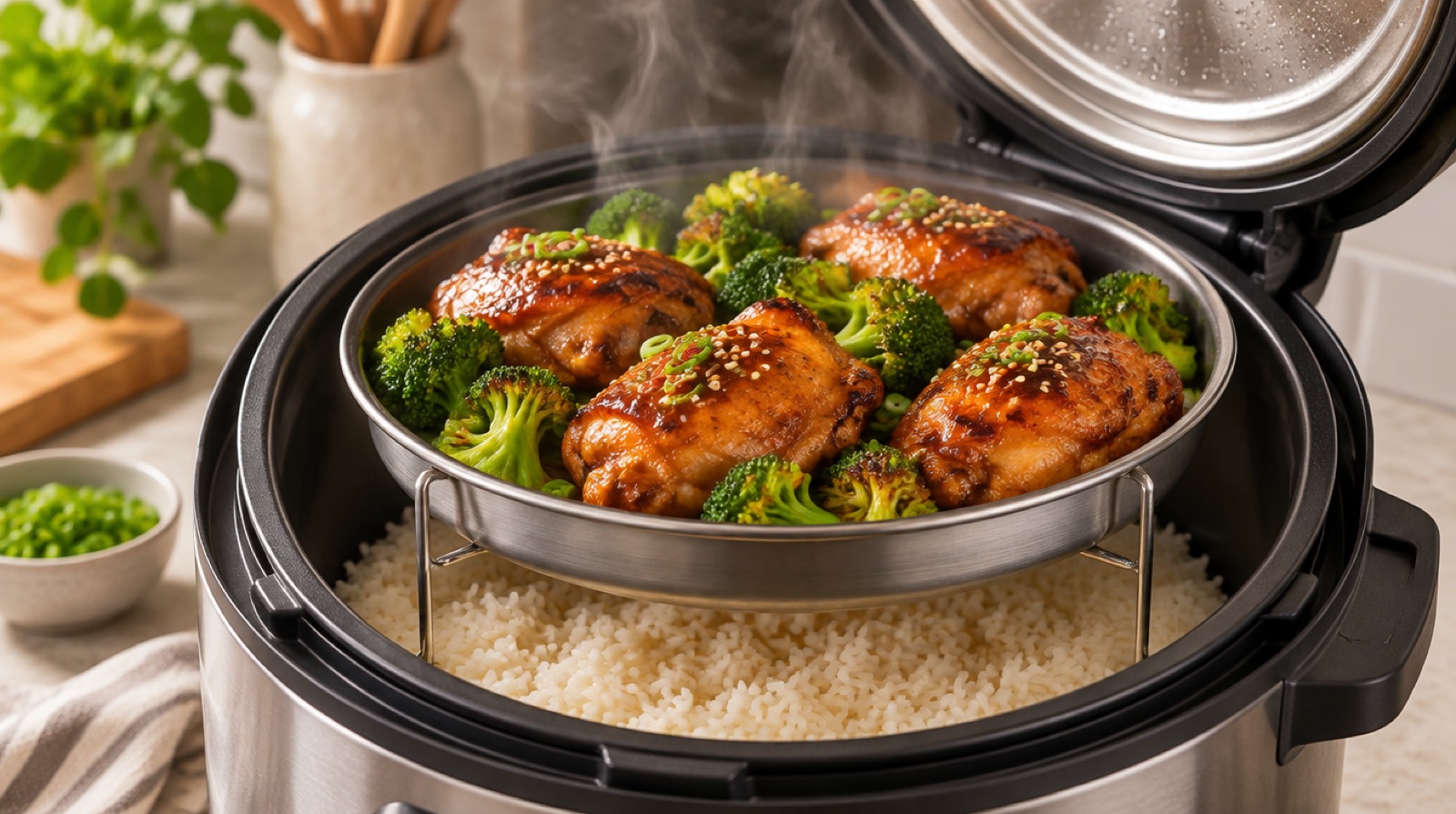
Bottom layer: the starch and the steam. Rice, quinoa, couscous or a short pasta goes in the pot with a measured amount of water, broth or sauce. This liquid does two jobs: it cooks the grain, and it creates the steam that cooks everything.
Top layer: protein and vegetables. The crisper tray sits in its upper position above the grain, with legs or a ledge holding it clear. Chicken pieces, sausage, salmon fillets or tofu go on the tray along with vegetables.
The cycle. The unit first boils the liquid so steam surrounds the top layer, cooking it through quickly and evenly while the grain absorbs the water. Once the steam phase is done, the fan and top heater take over and brown the top layer like an air fryer. That's how you get roasted broccoli and caramelized chicken over fluffy rice in one go.
Layering rules that work every time
- Submerge the grain. Stir rice or pasta into the liquid so nothing is sticking out. Dry pieces on top stay hard.
- Use the recipe's liquid amount. It's tuned to the steam time. Too little and the grain is crunchy; too much and it's soupy.
- Cut protein into even, small pieces. About 1-inch pieces of chicken, or fillets about 1 inch thick. Big chunks are still raw in the middle when the grain is done.
- Protein in the center, vegetables around the edges. The center gets the most steam; the edges brown fastest.
- Oil the top layer lightly. A tablespoon of oil on the vegetables helps them brown during the crisp phase.
- Save most of the sauce. Sweet or sticky sauces burn in the crisp phase. Toss half on before, and the rest after.
- Check the meat. Chicken must read 165°F and sausage 160°F before serving.
Good combinations to start with
| Bottom | Top | Try |
|---|---|---|
| Long-grain white rice + water | Teriyaki chicken + broccoli | Teriyaki chicken, broccoli and rice |
| Quinoa + broth | Salmon + asparagus | Lemon salmon, quinoa and asparagus |
| Penne + marinara + water | Italian sausage + peppers and onions | Sausage, peppers and penne |
| Couscous + broth | Spiced chickpeas + zucchini | A quick vegetarian option |
Once you've made one of these, you can swap proteins and vegetables freely as long as the pieces are a similar size and the bottom layer stays the same.
Firm tofu, shrimp and boneless chicken thighs all work in place of the proteins above. Shrimp cooks much faster than chicken, so add it partway through or use larger shrimp. Hardy vegetables like broccoli, peppers, green beans and zucchini handle the full cycle; delicate greens are better stirred into the grain at the end.
Choosing grains and pasta
Quick-cooking starches work best because they finish within the steam phase. Long-grain white rice, jasmine rice, quinoa and couscous are reliable. Short, sturdy pasta like penne, rigatoni or rotini holds up well; thin pasta and egg noodles overcook in the time the protein needs.
Brown rice and other slow grains usually need more time than a standard Speedi Meals cycle allows. Either cook them separately or use a recipe written specifically for them with a longer time and more liquid. Rinse rice and quinoa before using them, and always measure the liquid.
Common problems and fixes
- Crunchy rice: the grain wasn't fully submerged, or there wasn't enough liquid. Stir it level under the water next time.
- Mushy rice: too much liquid, or the rice wasn't rinsed.
- Pale top layer: too much food on the tray, or no oil. Leave space between pieces.
- Raw chicken in the middle: pieces were too big. Cut them smaller, or add a few minutes of air frying after the cycle ends.
- Burnt sauce: too much sugary sauce went on before cooking. Add most of it at the end.
- Bottom layer stuck to the pot: a thick sauce like marinara wasn't thinned enough. Follow the recipe's water amount and stir before closing the lid.
Is the Speedi a pressure cooker?
No. The Speedi steams and air fries, but it doesn't seal under pressure, so it can't do the long braises that pressure cookers are known for, like a pot roast in an hour. For that, a pressure multi-cooker such as the Foodi is the better tool; see our pressure cooker chicken and rice for a one-pot dinner done the pressure-cooker way. Where the Speedi stands out is quick, two-texture weeknight meals: soft grain underneath and browned protein on top.
Browse our Ninja Foodi and Speedi recipes for more one-pot dinners.
FAQ
How does Ninja Speedi Meals work?
Grains or pasta cook in water in the bottom while protein and vegetables sit on the raised crisper tray. The cycle steams everything first, then switches to hot air to crisp the top layer.
Is the Ninja Speedi a pressure cooker?
No. It uses steam and convection heat, not pressure. It's best for quick one-pot meals rather than long braises.
Why is my Speedi rice crunchy?
Usually the rice wasn't fully submerged or there wasn't enough liquid. Stir the rice level under the water and use the recipe's exact liquid amount.
Can I use frozen chicken in Speedi Meals?
Thawed, evenly cut pieces give the most reliable results. If you use frozen, choose small pieces, expect a longer cook, and confirm 165°F with a thermometer.
What pasta works best in the Ninja Speedi?
Short, sturdy pasta like penne, rigatoni and rotini. Thin pasta and egg noodles overcook in the time the protein needs.
Recipes to try
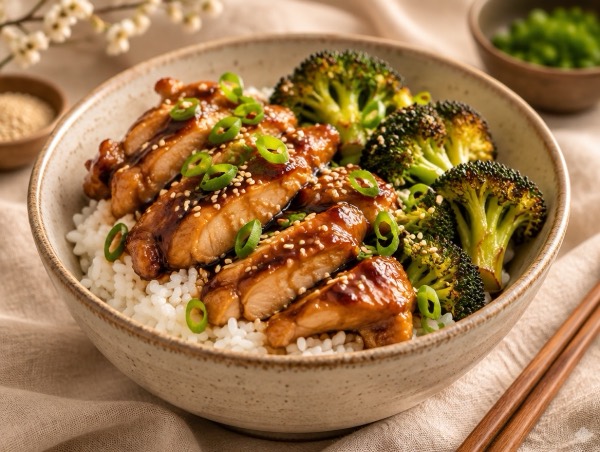 Foodi & Speedi
Teriyaki Chicken, Broccoli and Rice One-Pot Meal (Ninja Speedi)
457 kcal · 46 g protein · 30 min
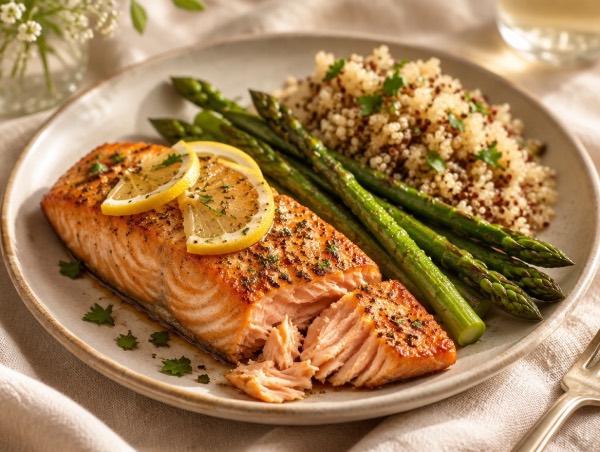 Foodi & Speedi
Lemon Salmon, Quinoa and Asparagus One-Pot Meal (Ninja Speedi)
545 kcal · 39 g protein · 28 min
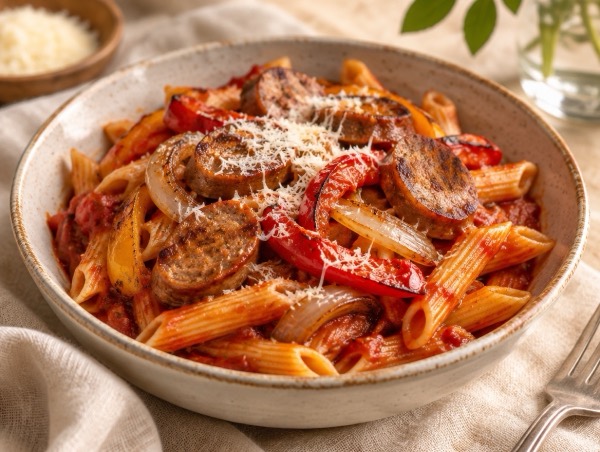 Foodi & Speedi
Italian Sausage, Peppers and Penne One-Pot Meal (Ninja Speedi)
690 kcal · 28 g protein · 28 min
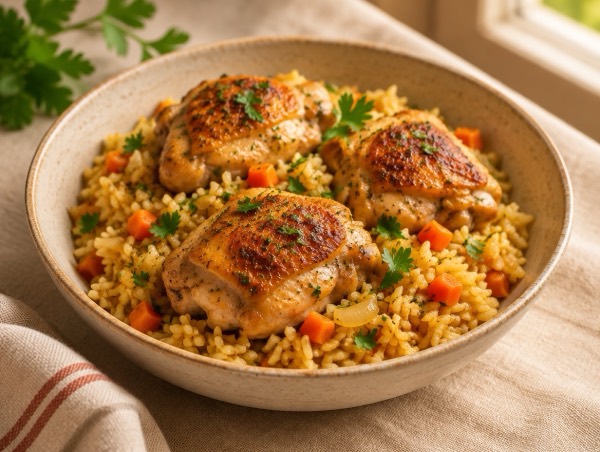 Foodi & Speedi
Pressure Cooker Chicken and Rice (Ninja Foodi)
490 kcal · 33 g protein · 32 min