Natural Release vs Quick Release: When to Use Each
Natural release lets pressure drop on its own; quick release vents it right away. Which to use for meat, beans, rice, vegetables, soup and eggs, and why.
By the Dalqi kitchen · Updated 2026-11-16 · 4 min read
Short answer
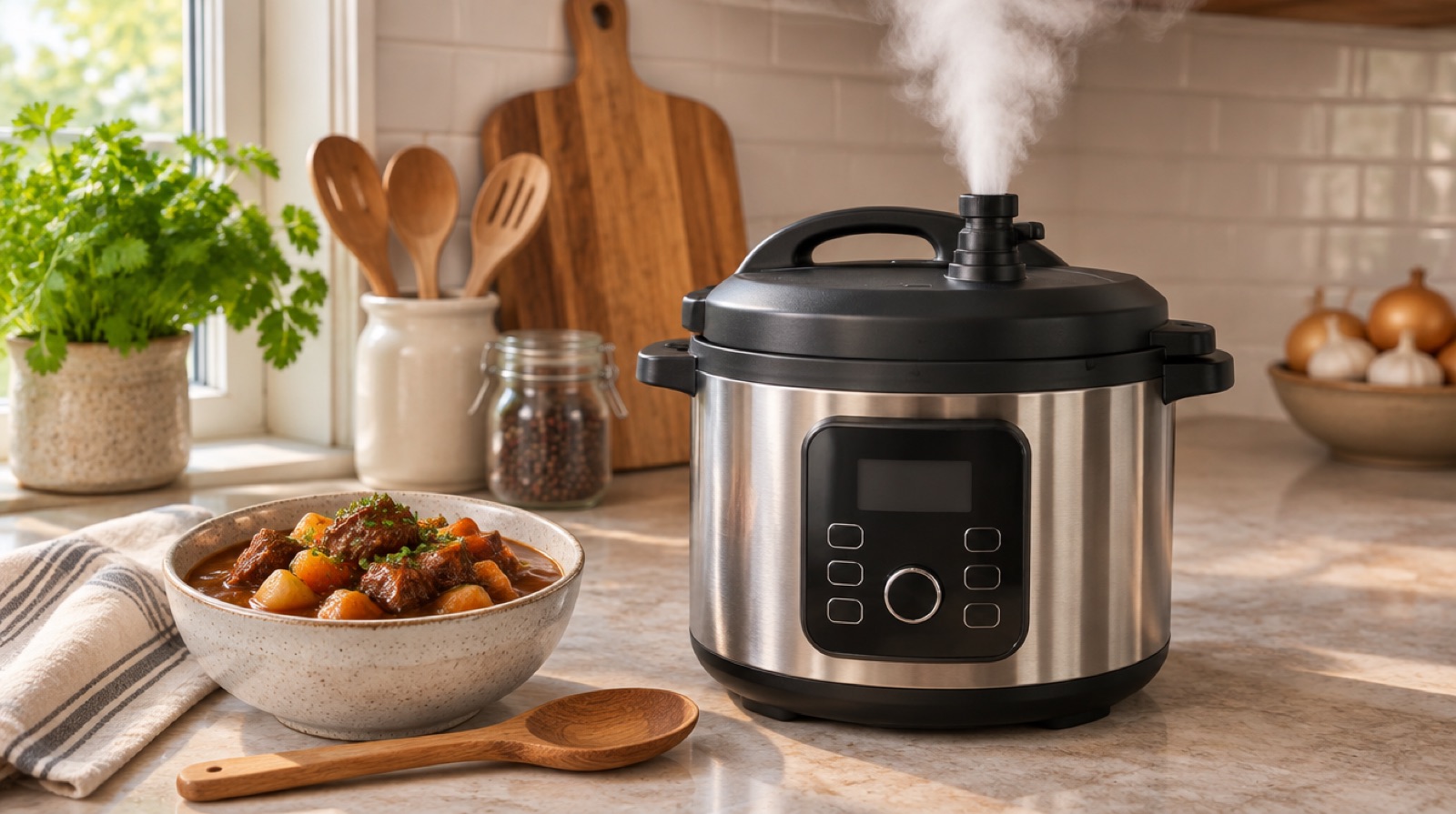
Natural release means you leave the valve sealed and let the pressure drop by itself, which takes about 10–30 minutes. Use it for meat, beans, grains, oats and big pots of soup. Quick release means turning the valve to vent so the steam rushes out in a minute or two. Use it for vegetables, seafood, pasta and anything that overcooks easily.
Many recipes use a mix of both: a set number of minutes of natural release (often 10), then a quick release to let out whatever pressure is left.
What happens during each release
When the cook time ends, the pot is still full of hot, pressurized steam, and the food is still cooking. How you release that pressure changes the result.
- Natural release: the pot cools slowly and the pressure falls gradually. The food keeps cooking gently. Liquid inside stays calm, so meat fibers relax, beans don't burst, and foamy foods don't spray out of the valve. When the float valve drops, the lid can open.
- Quick release: the pressure falls in seconds. Cooking stops almost immediately. That's ideal for tender vegetables, but sudden boiling can toughen meat, split bean skins and push starchy foam out of the vent.
On Ninja Foodi multi-cookers, the pressure lid won't unlock until the pressure is gone. Never try to force it open.
When to use natural release
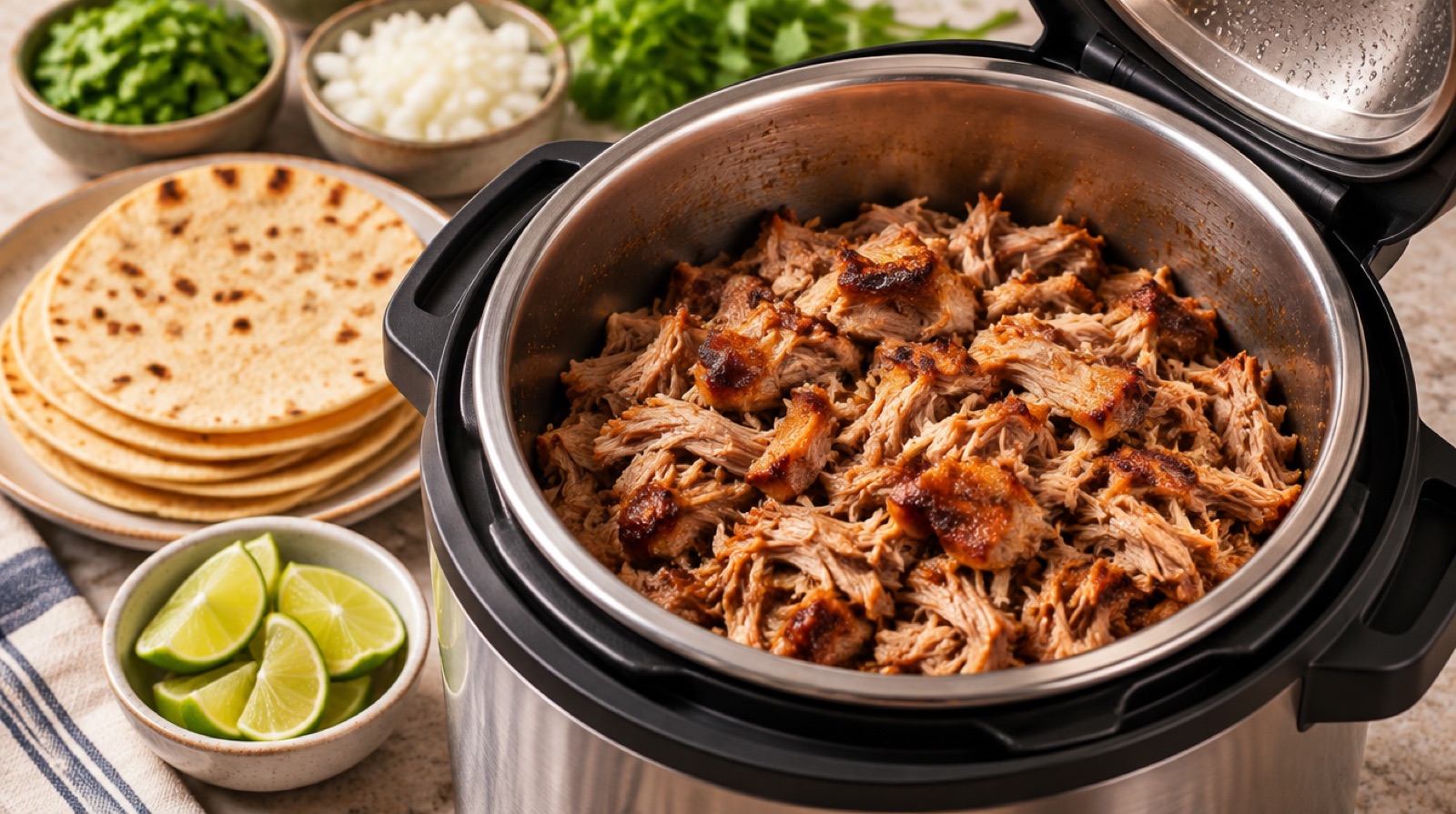
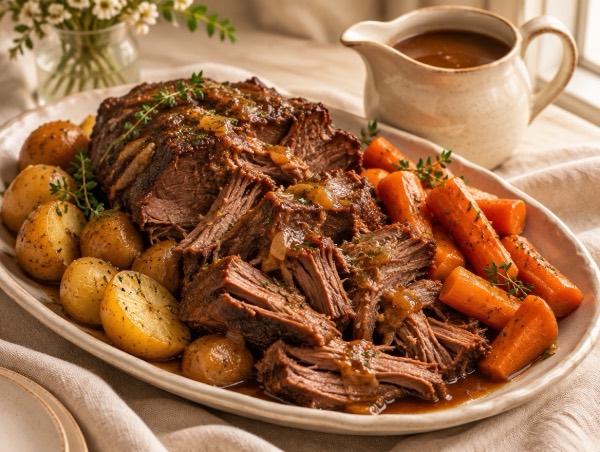
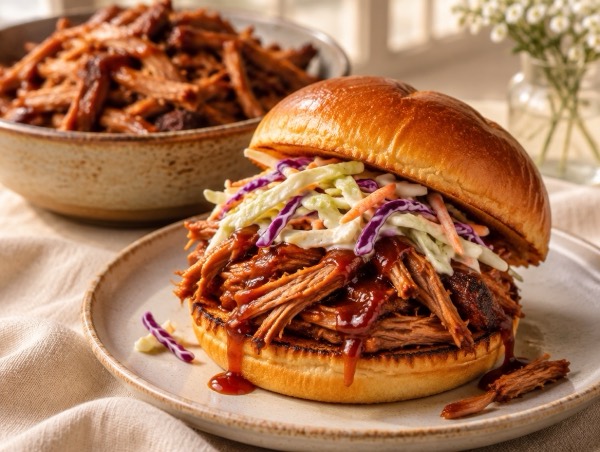
- Large cuts of meat. Pot roast, pork shoulder, brisket and short ribs. A full natural release keeps them juicy. Our pot roast with gravy and BBQ pulled pork both rely on it.
- Beans and legumes. Slow release keeps skins intact and stops foam from shooting out of the valve.
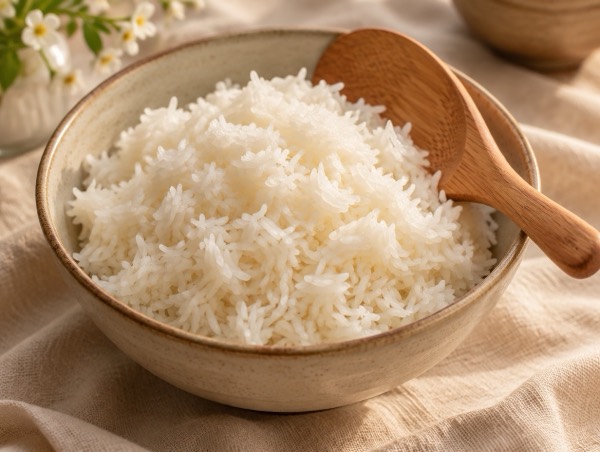
- Rice and grains. A 10-minute natural release lets rice finish steaming and firm up. Our pressure cooker white rice uses 2 minutes plus 10 minutes natural release.
- Oatmeal and porridges. These foam a lot. Quick release can spray oatmeal across the counter.
- Full pots of soup, stock and chili. Lots of hot liquid can spit through the valve on a quick release.
- Cheesecakes and custards. A gentle drop in pressure prevents cracks and a curdled texture.
When to use quick release
- Vegetables. Broccoli, green beans, carrots and corn go from bright to mushy in a few extra minutes.
- Seafood. Shrimp, mussels and fish fillets overcook quickly.
- Pasta dishes. Quick release stops pasta at the right bite. Our 4-minute mac and cheese uses a quick release so the noodles don't go soft. If foam spurts, close the valve, wait a minute, and try again in short bursts.
- Soft or jammy eggs. Quick release and an ice bath keep the yolks runny.
- Adding ingredients partway. For stews where you cook the meat first and then add potatoes or noodles, a quick release gets you back in the pot fast.
The middle option: timed natural release
When a recipe says "10 minutes natural release," it means: leave the valve sealed for 10 minutes after the timer ends, then turn it to vent to release the rest. You get most of the benefit of a natural release, with less waiting. It's the most common choice for chicken, rice and medium-size cuts of meat.
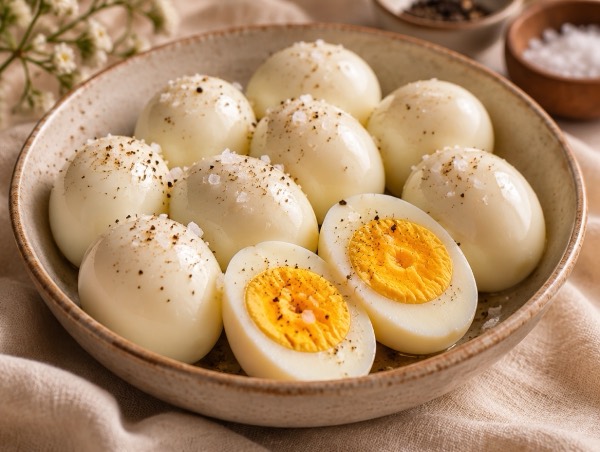
Our easy-peel hard-boiled eggs use a short version of this: 5 minutes under pressure, 5 minutes natural release, then straight into ice water.
Quick reference by food
| Food | Release |
|---|---|
| Chicken breasts and thighs | 10 min natural |
| Pot roast, pork shoulder, brisket | Full natural |
| Beef stew meat | 15 min natural |
| Dried beans | Full natural |
| White and brown rice | 10 min natural |
| Steel-cut oats | 10–15 min natural |
| Pasta | Quick (in short bursts if foamy) |
| Green vegetables | Quick |
| Potatoes, cubed | Quick |
| Hard-boiled eggs | 5 min natural, then ice bath |
| Soups and stocks | 10 min to full natural |
| Cheesecake | Full natural |
Every food in our pressure cooker times chart lists its release method next to the cook time.
How to quick release safely
- Keep your hands and face away from the valve. Steam burns quickly.
- Don't release under hanging cabinets; the steam can damage them over time.
- Turn the valve to vent with a spoon or tongs if it's close to your hand.
- If foam or liquid spits out, turn the valve back to seal, wait a minute or two, and release again in short bursts.
- Wait until the float valve drops before opening the lid, and tilt the lid away from you as you lift it.
Mixed pots: when one food wants each method
One-pot meals often combine foods with different preferences, like chicken (natural release) with vegetables (quick release), or pasta (quick release) in a big pot of soup (natural release). Two approaches work:
- Go with the most delicate food, and adjust the time. For a chicken and pasta dish, use a quick release and make sure the chicken pieces are small enough to reach 165°F in the cook time.
- Cook in stages. Pressure cook the meat with a natural release, then quick-add the fast foods. For chicken noodle soup, cook the chicken and broth under pressure, then simmer the noodles on Sear/Sauté for a few minutes so they don't go mushy.
Natural release and your timing
Natural release adds real time to a recipe. A pot full of soup or beans can take 20–30 minutes to come down, while a small pot of rice takes 10–15. Count that time when you plan a meal. Also remember that food keeps cooking during the release. That's why recipes that use full natural release often have shorter pressure times than you might expect, and why switching a recipe from natural to quick release can leave meat or beans underdone. If you change the release, add a few minutes of pressure time to compensate.
For more pressure cooker recipes, see our Ninja Foodi recipes.
FAQ
How long does natural release take?
Usually 10–30 minutes, depending on how full the pot is. Fuller pots with more liquid take longer.
Can I use quick release instead of natural release?
You can, but the food may be slightly undercooked or tougher, since it stops cooking sooner. Add a few minutes of pressure time, and avoid quick release for beans, oats and foamy foods.
What does 10 minutes natural release mean?
Leave the valve sealed for 10 minutes after the cook time ends, then turn it to vent to let out the remaining pressure before opening the lid.
Why does liquid spray out when I quick release?
Starchy or very full pots foam and boil up when the pressure drops fast. Close the valve, wait a minute, and release again in short bursts, or use natural release.
Does food keep cooking during natural release?
Yes. The food stays hot and under falling pressure, so it keeps cooking gently. Recipes account for this in their pressure times.
Recipes to try
 Foodi & Speedi
Pressure Cooker Pot Roast with Gravy (Ninja Foodi)
471 kcal · 37 g protein · 110 min
 Foodi & Speedi
Pressure Cooker BBQ Pulled Pork (Ninja Foodi)
478 kcal · 32 g protein · 110 min
 Foodi & Speedi
Perfect Pressure Cooker White Rice (Ninja Foodi)
239 kcal · 4 g protein · 20 min
 Foodi & Speedi
4-Minute Pressure Cooker Mac and Cheese (Ninja Foodi)
568 kcal · 25 g protein · 20 min
 Foodi & Speedi
Easy-Peel Pressure Cooker Hard-Boiled Eggs (Ninja Foodi)
143 kcal · 13 g protein · 17 min
 Foodi & Speedi
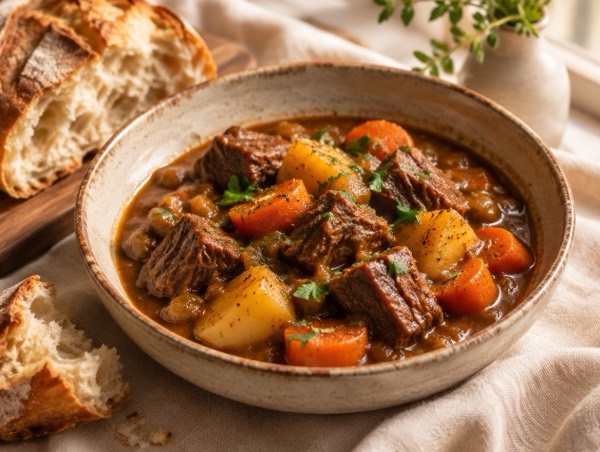
Pressure Cooker Beef Stew (Ninja Foodi)
465 kcal · 34 g protein · 80 min
 Foodi & Speedi
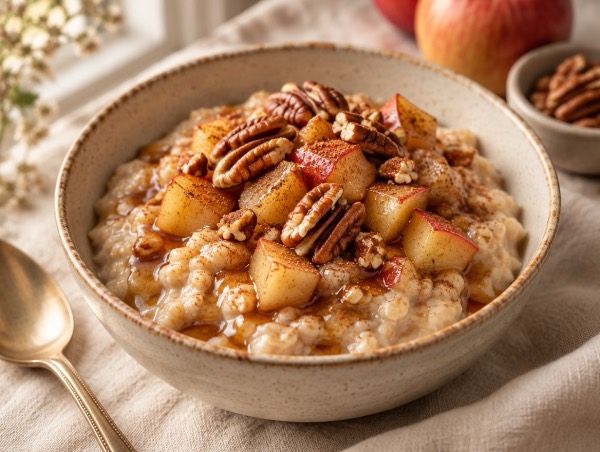
Apple Cinnamon Oatmeal in the Pressure Cooker (Ninja Foodi)
275 kcal · 10 g protein · 23 min